# Structural Drying & Dehumidification in Salt Lake City, Utah
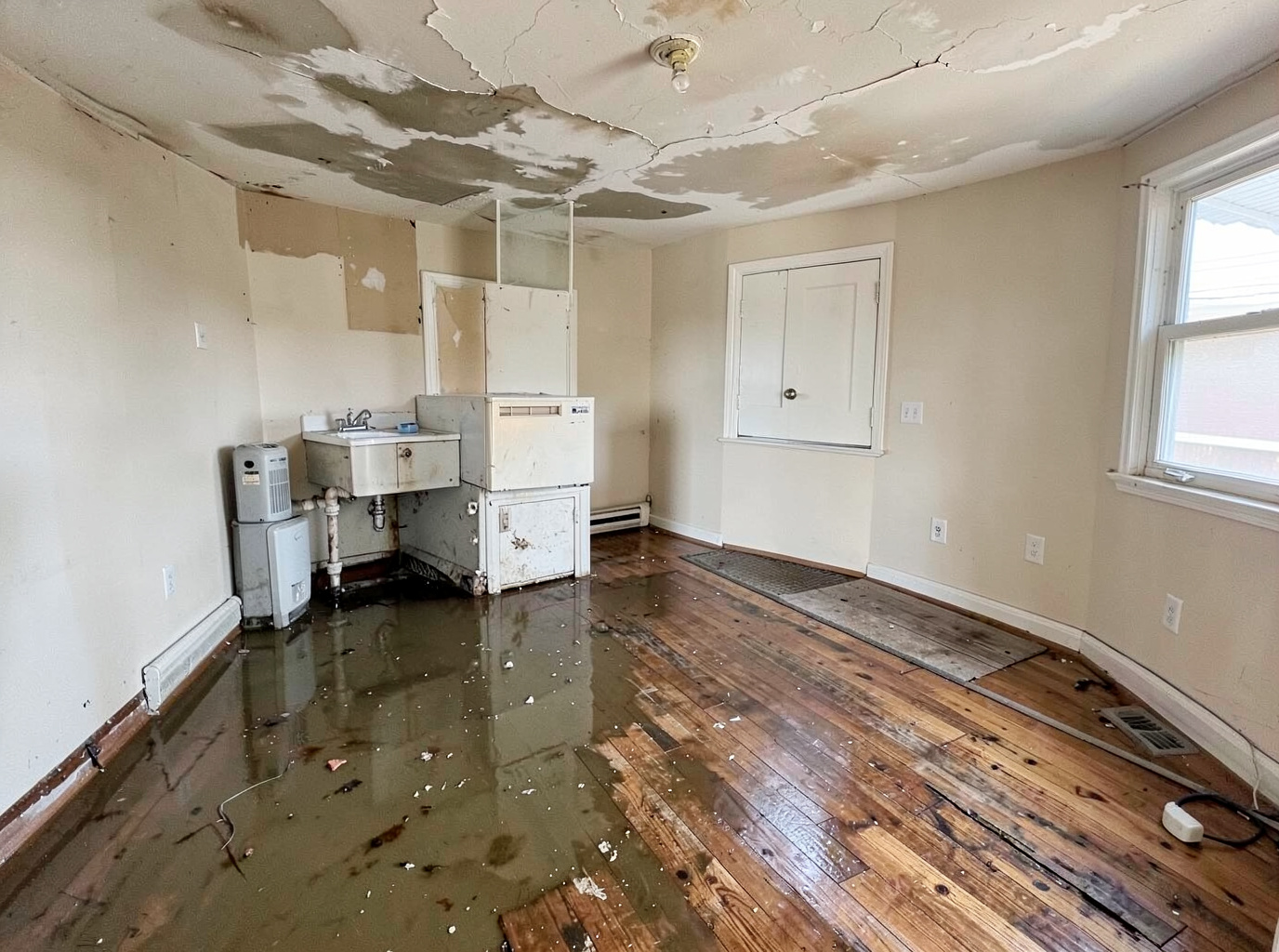
Removing visible water does not necessarily dry the flooring, wall cavities, or framing it reached. Structural drying and dehumidification may be needed after a plumbing leak, appliance overflow, basement water intrusion, or other water damage. An independent provider may evaluate affected materials and determine whether controlled drying, material removal, or additional cleanup is appropriate.
Common Situations That May Require Drying
A leaking supply line can wet drywall and insulation before a homeowner notices a stain. An appliance overflow may send water beneath flooring or cabinets. Basement seepage during spring snowmelt can affect finishes and stored belongings, while a winter pipe break may leave moisture inside exterior walls. Water from sewage or outdoor flooding requires contamination assessment before ordinary drying is considered.
What a Provider May Do
Depending on the water source, affected materials, and site conditions, an independent provider may:
- Evaluate accessible materials and check for moisture beyond the visible wet area.
- Assess whether standing water removal or contamination cleanup is needed first.
- Position air movers to support evaporation from suitable materials.
- Use dehumidification equipment to remove moisture from indoor air.
- Recommend opening cavities or removing materials that cannot reasonably be dried in place.
- Recheck moisture readings and adjust equipment placement.
- Document drying progress and discuss remaining repair needs.
These activities are performed by independent providers, not Salt Lake City Water Damage Help.
Useful Salt Lake City Context
Salt Lake City's generally dry outdoor air does not mean enclosed wall cavities or basement flooring will dry on their own. Older homes in neighborhoods such as the Avenues and Liberty Wells may contain plaster walls, layered flooring, and finished basements that complicate access to wet materials. Winter temperatures also make opening windows an unreliable drying strategy. Near the Wasatch foothills, spring runoff and drainage conditions can contribute to basement moisture; drying alone does not resolve an ongoing water-entry problem.
Homeowner Tips Before a Provider Arrives
Stop the water source if you can do so safely. Avoid wet areas where electrical equipment, outlets, or wiring may be affected, and do not enter standing water to reach a breaker panel. Photograph visible damage and note when you first noticed it. Move dry belongings away from the affected area when safe, but avoid disturbing suspect contaminated materials. Do not assume a household fan or a dry-looking surface proves that enclosed materials are dry.
Drying Versus Repair and Mold Work
Structural drying addresses moisture; it does not automatically include replacing drywall, reinstalling flooring, repairing plumbing, or treating mold. Ask an independent provider which activities are included in its proposed scope and which require separate work. If the moisture source remains active, address that source rather than relying on drying equipment alone.
Request a Connection
Request a connection through Salt Lake City Water Damage Help for structural drying and dehumidification needs in Salt Lake City, Utah. The referral service itself is no cost. Provider availability varies, and independent providers set their own pricing and scheduling. Salt Lake City Water Damage Help does not perform the work, provide estimates, verify providers, or guarantee response or workmanship.
Technician insight
In Salt Lake City, I'd be cautious about assuming the dry climate means a wet basement will dry itself. In older Avenues homes, plaster walls and layered floor assemblies can conceal moisture even when exposed surfaces feel dry. From a referral standpoint, I'd ask an independent provider how it will check those concealed areas rather than treating surface appearance as proof that drying is complete.
Structural Drying & Dehumidification Services We Offer
✓Wall and Ceiling Drying
An independent provider may evaluate moisture in drywall, plaster, and accessible cavities. The provider may recommend controlled drying or removal depending on the materials and water source.
✓Floor and Subfloor Drying
Independent providers may assist with moisture beneath flooring and in subfloor materials. A provider may assess whether drying in place is appropriate or whether flooring needs to be lifted or removed.
✓Basement Structural Drying
An independent provider may evaluate wet basement framing, finishes, and flooring after seepage or a leak. Ongoing water intrusion may need separate correction before drying can be effective.
✓Indoor Dehumidification
Providers may offer dehumidification to manage moisture released into indoor air during drying. Equipment selection and placement depend on the affected space and site conditions.
✓Crawl Space Drying
An independent provider may assess accessible crawl space framing and moisture conditions after water intrusion. Standing water, contamination, and restricted access may affect the proposed approach.
✓Moisture Monitoring
Independent providers may check moisture readings during drying and document changes over time. Ask the provider how it determines whether affected materials have reached an appropriate drying endpoint.
How it works
- 1
Describe the Water Damage
Share the Salt Lake City property location, suspected water source, affected rooms, and any known safety concerns when requesting a connection.
- 2
Request an Independent Provider Connection
Salt Lake City Water Damage Help is a referral and connection service. A connection depends on provider availability and does not guarantee a response or appointment.
- 3
Discuss Assessment and Scope
Ask the independent provider about assessment arrangements, potential charges, drying methods, and any separate cleanup or repair needs. The provider determines its own recommendations and estimates.
- 4
Agree Directly With the Provider
Review pricing, scheduling, equipment arrangements, and documentation directly with the provider before authorizing work. Any restoration work is performed by that independent provider.
Pricing
The referral service itself is no cost. Independent providers set pricing and scheduling, and availability varies. Ask the provider about assessment charges, equipment-related charges, monitoring, and any separate material removal or repair work before authorizing services.